How To Choose Between A Pediatric And Family Dentist?
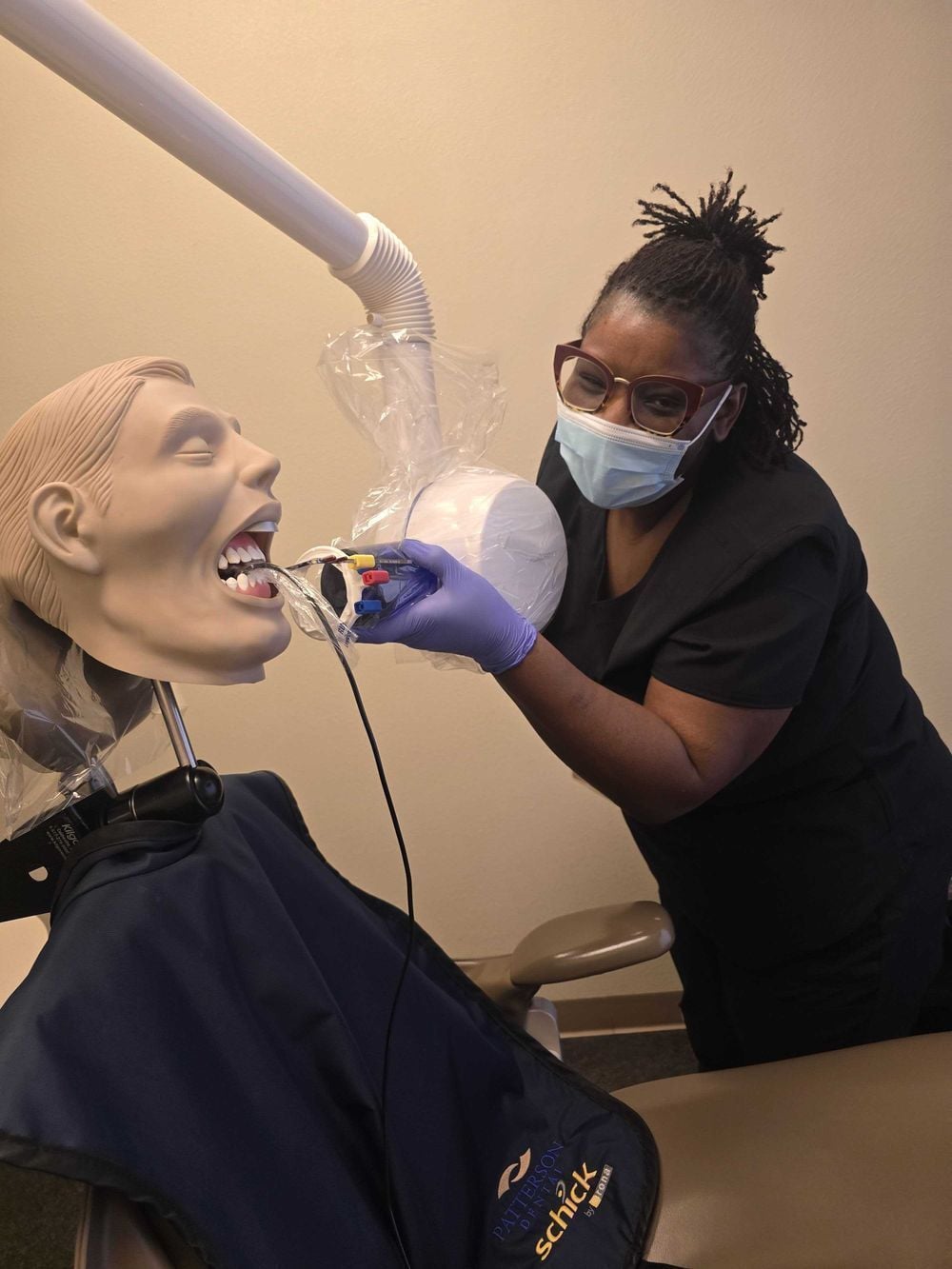
Selecting the right dental care provider can significantly impact your experience and satisfaction. When deciding between a pediatric and family dentist, understanding the differences in their focus, treatment styles, and office environments is crucial. This choice can also influence your career path if you’re considering becoming a dental assistant.
Understanding the Specialties
Pediatric dentists specialize in treating children’s dental needs, while family dentists cater to patients of all ages. Each has unique advantages and focuses that can shape your dental care experience.
Pediatric Dentists
Pediatric dentists typically work with children from infancy through adolescence. Their training involves not only dental care but also child psychology, enabling them to handle the unique challenges that come with treating young patients. These specialists create a friendly, engaging environment that puts children at ease, often using playful language and colorful décor.
Family Dentists
Family dentists, on the other hand, provide comprehensive care for all age groups. They focus on preventive care, routine check-ups, and treatments for various dental issues, making them a versatile choice for families. The environment is generally more neutral, catering to both adults and children, allowing for family visits without the need to switch providers as children grow.
Key Considerations for Choosing the Right Dentist
When deciding between a pediatric and family dentist, consider the following factors:
Patient Age Groups
Age plays a significant role in your choice. If you have young children, a pediatric dentist may be more appropriate to address their specific needs and anxieties. Conversely, if your family includes adults and older children, a family dentist can provide consistent care throughout various life stages.
Office Environment
The atmosphere of the dental office can greatly affect both children and adults. Pediatric offices often feature colorful designs and play areas to make visits enjoyable for kids. Family dental practices, while more neutral, should still feel welcoming for all ages, emphasizing comfort and convenience.
Treatment Focus
Consider the types of treatments your family might need. Pediatric dentists are trained in areas such as fluoride treatments, sealants, and managing dental emergencies in children. Family dentists also offer these services but may have a broader focus on preventive care and restorative treatments suitable for all ages.
Essential Technical and Soft Skills for Dental Assistants
Regardless of the type of dental practice, dental assistants play a vital role in ensuring patient comfort and care. Here are some essential skills needed in this profession.
Communication with Patients
Effective communication is crucial for dental assistants, especially when explaining procedures to anxious patients. A friendly demeanor can help ease fears and improve the overall experience.
EHR Accuracy
As dental practices increasingly rely on electronic health records (EHR), dental assistants must be proficient in maintaining accurate patient records. This ensures seamless communication between the dental team and provides quality care.
Team Collaboration
Dental assistants must work closely with dentists and other staff members to provide efficient care. Strong teamwork skills foster a supportive environment, ultimately benefiting patient experiences.
Career Growth and Job Opportunities
The demand for dental assistants is on the rise, making it a promising career choice. Opportunities abound in both pediatric and family dental practices, allowing you to choose an environment that aligns with your interests. Continuous education and specialization can further enhance your job prospects and career satisfaction.
FAQs
Q: What is the primary difference between a pediatric and family dentist?
A: Pediatric dentists focus on treating children, while family dentists provide care for patients of all ages.
Q: Can a family dentist handle children’s dental needs?
A: Yes, family dentists are trained to treat children, though they may not have the specialized training that pediatric dentists possess.
Q: What factors should I consider when choosing a dentist?
A: Consider the ages of your family members, the office environment, and the specific treatments you may need.
Q: Are pediatric dentists more expensive than family dentists?
A: Costs can vary based on the services provided and the location, but both types of dentists aim to offer affordable care.
Q: Do dental assistants work differently in pediatric vs. family practices?
A: While the core responsibilities are similar, dental assistants in pediatric practices may focus more on engaging children and easing their anxieties.
Getting Started at San Antonio Dental Assistant School
Ready to embark on a rewarding career in dental assisting? At San Antonio Dental Assistant School, we provide comprehensive training to prepare you for the challenges of the dental field. Learn more about our programs, schedule a visit, or apply today to start your journey in this fulfilling profession. Your future in healthcare awaits!
You're 12 weeks from the dental assistant career you deserve.